A Homeowner's Guide to Storm Damage and Emergency Roof Repairs
The sound of a fierce storm is unsettling, but the silence that follows can be even more stressful as you begin to assess the potential damage to your home. Here in Toronto, our weather can be unpredictable, and a sudden squall can leave your roof—your home's first line of defense—vulnerable. When you're faced with leaks, missing shingles, or debris, knowing what to do next is critical. This guide will walk you through the essential steps for safely handling storm damage, from immediate assessment to professional emergency repairs, ensuring your home and family are protected.
Step 1: Prioritize Safety and Document the Damage
After a severe storm passes, your first instinct might be to climb up and inspect the roof yourself. Please, do not do this. A storm-damaged roof can be incredibly unstable, and the risk of slipping and falling is high. Furthermore, be cautious of downed power lines or fallen tree limbs around your property.
Your safety is the top priority. Instead, conduct your initial assessment from the ground. Here’s what you can do safely:
- Walk the Perimeter: Circle your home and look for obvious signs of damage. Are there shingles in your yard? Do you see any missing sections or visible holes? Are your eavestroughs or fascia bent or detached?
- Use Binoculars: For a closer look without leaving the ground, binoculars can help you spot cracked, curled, or missing shingles that aren't immediately obvious.
- Check Indoors: Inside your home, look for signs of water intrusion. Check your attic for damp insulation or visible leaks. Scan ceilings and walls on the upper floors for new water stains or discoloration.
- Take Photos and Videos: Document everything you find. Take clear pictures and videos of any damage from multiple angles. This evidence will be crucial when you contact your insurance company.
Step 2: Identifying Common Types of Storm Damage
Storms can inflict various kinds of damage, and understanding what to look for can help you communicate the issue effectively to a professional. Some damage is obvious, while other types can be subtle and lead to slow, hidden leaks over time.
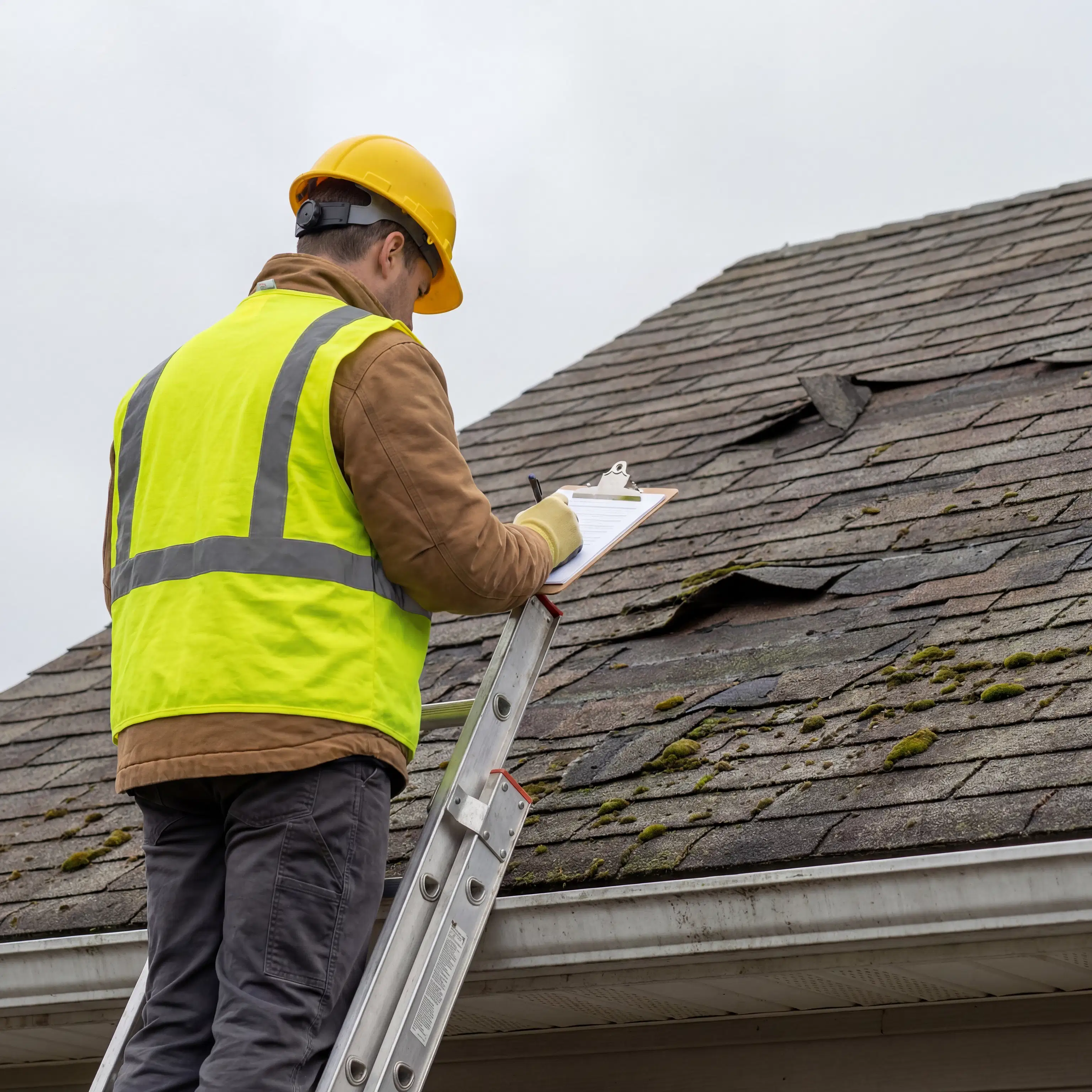
- Wind Damage: High winds can lift, curl, or tear shingles completely off the roof, leaving the underlayment exposed. You might notice shingles with creased lines where the sealant strip was broken.
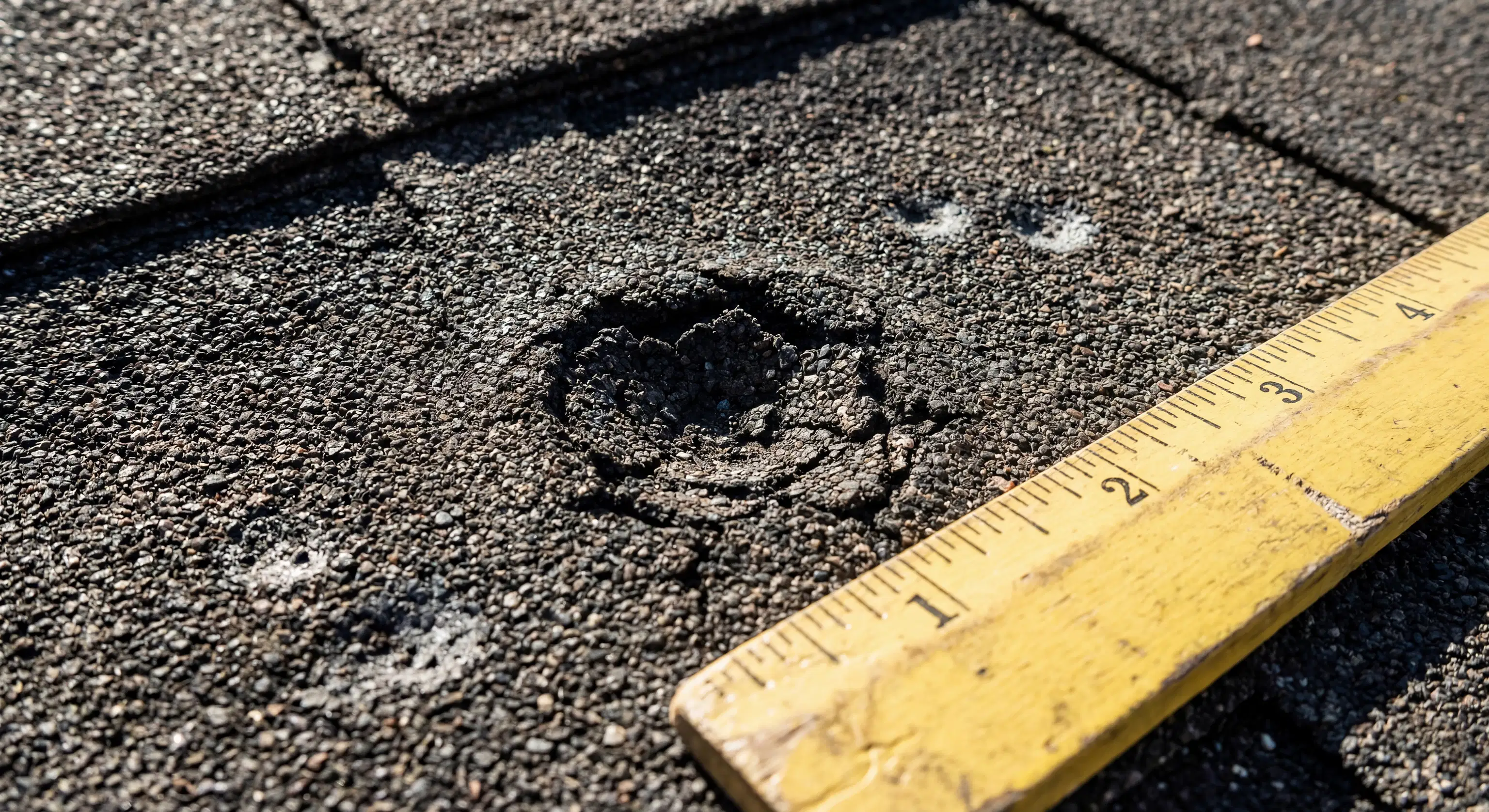
- Hail Damage: Hail can be particularly destructive. Look for dents or pockmarks on shingles, vents, and metal flashing. Significant hail can also cause granule loss, which looks like bare or dark spots on asphalt shingles. This accelerates the aging of your roof.
- Debris Impact: Fallen branches, trees, or other wind-blown debris can puncture your roof deck, crack shingles, and damage the underlying structure.
- Water Intrusion: The most immediate threat is water. Even if you don't see a major leak, compromised flashing around chimneys, skylights, and vents can allow water to seep in, leading to rot, mold, and structural decay.
Because much of this damage can be difficult to spot from the ground, a professional roof inspection is the only way to understand the full extent of the problem.
Step 3: Calling for Professional Help and Navigating Insurance
Once you've assessed the situation safely, it's time to call in the experts. Acting quickly can prevent minor issues from becoming major, costly problems.
- Contact a Reputable Roofer: Your first call should be to a trusted, local roofing contractor. Explain that you have storm damage and require an emergency assessment. A professional can perform a thorough inspection, identify all points of failure, and, if necessary, install a temporary tarp to prevent further water damage while you arrange for permanent repairs.
- File Your Insurance Claim: With a professional assessment in hand, contact your insurance provider to start the claims process. Provide them with the photos and documentation you collected. Your roofer's detailed report will be invaluable in ensuring your claim accurately reflects the necessary repairs.
- Coordinate the Repair: A reliable roofing company will provide a clear, detailed quote for the required work. They can often coordinate with your insurance adjuster to ensure the scope of work is approved, streamlining the process and reducing your stress. This is key to restoring your peace of mind and ensuring the work is done to the highest standard, protecting your investment for years to come.
Don't Wait for a Small Leak to Become a Big Problem
After a storm, delaying a roof inspection or repair can have serious consequences. A small, unnoticed leak can saturate insulation, compromise the structural integrity of your roof deck, and lead to harmful mold growth inside your walls and attic. In our climate, unresolved damage can also contribute to severe ice damming in the winter, where melting snow refreezes and forces water back up under your shingles.
Protecting your home starts with a proactive approach. By taking swift, informed action, you can mitigate further damage and ensure your roof is secure, durable, and ready to handle whatever the next season brings.
If a storm has impacted your home, don't hesitate. The safety and integrity of your property are too important to leave to chance. Contact Seb Test 18 today for a prompt, professional storm damage inspection and expert emergency repair services across the Toronto area. We're here to help you recover quickly and confidently.