Do I Need a Permit to Replace My Roof in Toronto? A Homeowner's Guide
Embarking on a roof replacement is a significant investment in your home's safety, value, and curb appeal. It’s a chance to not only protect your property but also enhance its look. However, amidst the excitement of choosing new shingles and imagining the finished result, many Toronto homeowners find themselves asking a crucial question: "Do I need a permit for this?" The world of municipal bylaws and building codes can seem confusing, leaving many unsure of their obligations.
Navigating these regulations is essential for a smooth, successful project. Cutting corners can lead to significant headaches down the road. This guide will demystify the requirements for roofing permits in Toronto, explaining when one is necessary, why it’s so important, and how working with a knowledgeable professional ensures your project is done right from the start.
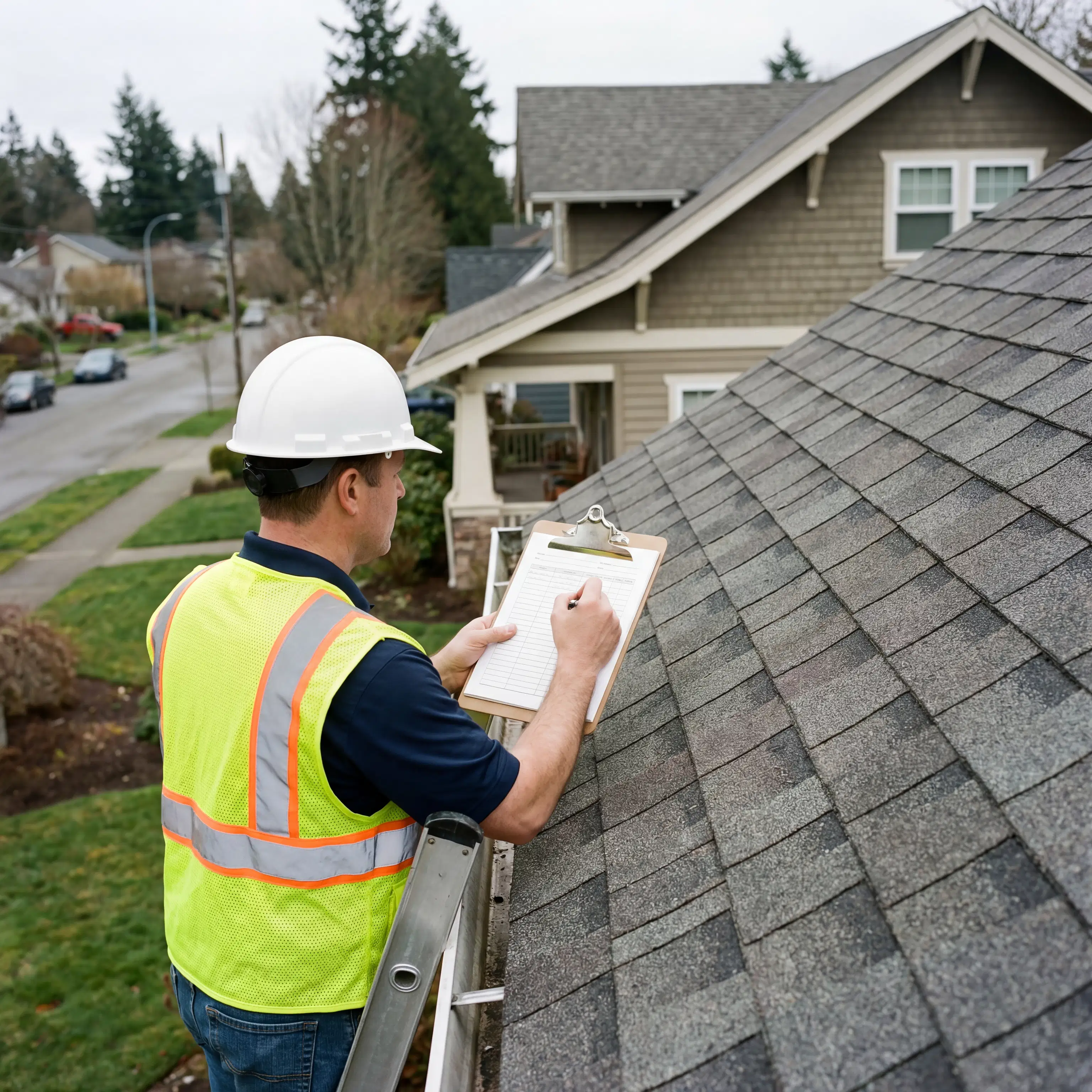
The Core Question: When is a Roofing Permit Required?
The City of Toronto's rules are centered on a key principle: a building permit is required for any project that involves structural alterations. When it comes to your roof, this distinction is what separates most projects from one another.
Scenarios That Typically DO Require a Permit:
In general, you will need to secure a permit if your roofing project includes any of the following:
- Structural Changes: This is the most common trigger. If you are altering the shape, size, or pitch of your roof, adding new elements like dormers or skylights that require cutting into rafters, or changing the underlying support system, a permit is mandatory.
- Replacing Structural Supports: Any work that involves removing and replacing structural components like rafters, trusses, or load-bearing beams requires a permit to ensure the new work meets the Ontario Building Code.
- Significant Material Change: If you are switching from a lightweight material like asphalt shingles to a much heavier one, such as slate or clay tiles, a permit may be required. This is to allow for a structural review to confirm the existing roof frame can handle the additional weight.
Scenarios That Usually DO NOT Require a Permit:
For the majority of standard roof replacements, the process is much simpler. A permit is generally not needed for:
- Re-shingling: The most common roofing job involves removing old shingles and replacing them with new ones of a similar type and weight. This is considered maintenance and does not typically require a permit.
- Replacing Decking: If you are only replacing the plywood or OSB sheathing (the roof deck) without altering the trusses or rafters beneath, you likely won't need a permit.
- Minor Repairs: Fixing leaks, replacing flashing, or repairing sections of your soffit, fascia, and eavestroughs are considered routine repairs and are exempt from permit requirements.
While these guidelines cover most situations, it's always wise to confirm, as local bylaws can be updated. A professional roofing contractor will be able to assess your specific project and provide a definitive answer.
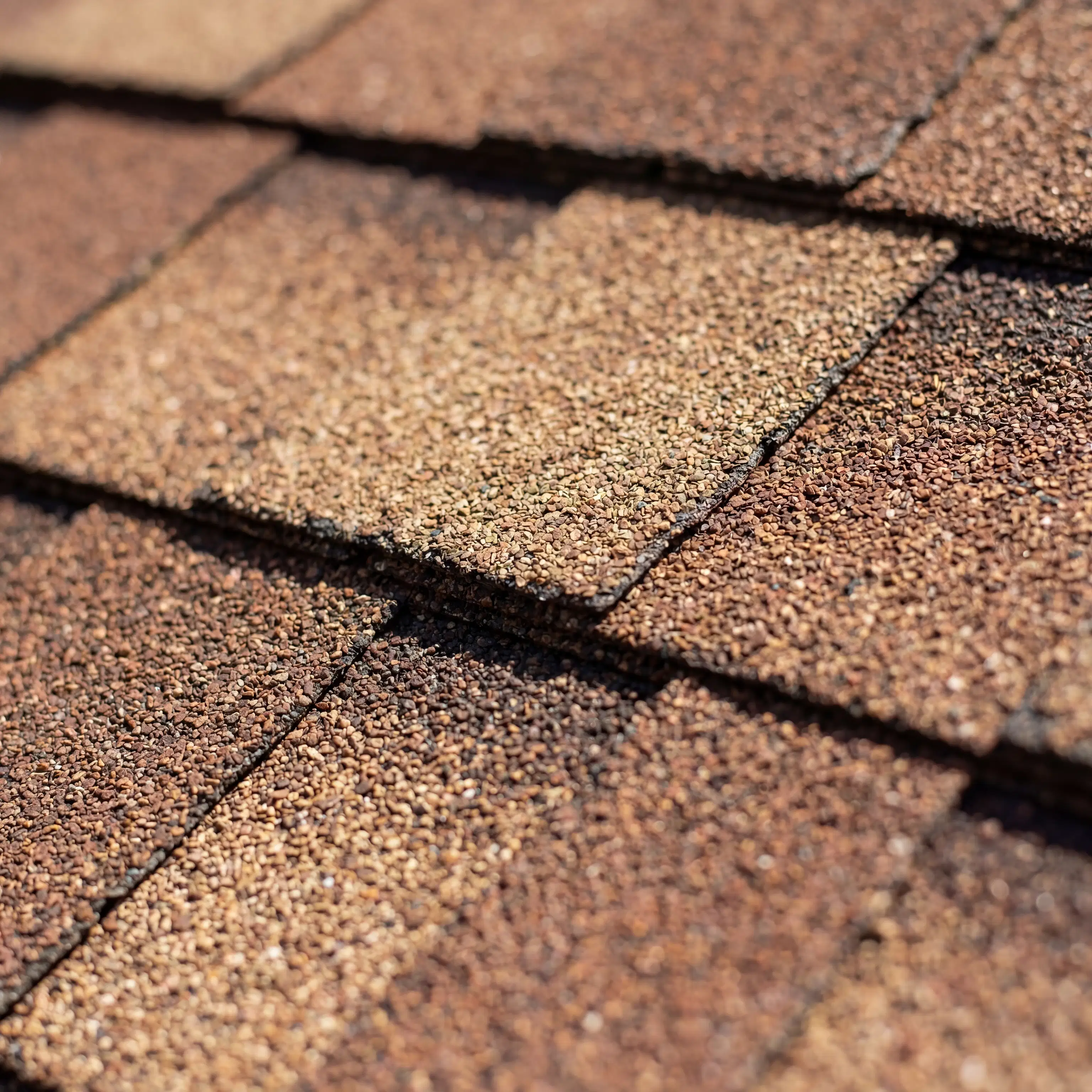
Why Following the Permit Process Matters
It might be tempting to skip the permit process to save time or money, especially if you're working with a contractor who suggests it. However, the risks associated with unpermitted work far outweigh any perceived benefits. A permit isn't just red tape; it's a system designed to protect you, your family, and your investment.
Here’s why it’s so important:
- Ensures Safety and Code Compliance: A permit ensures that the work is reviewed and inspected to meet the stringent safety standards of the Ontario Building Code. This guarantees the structural integrity of your roof and the safety of your home.
- Protects Your Insurance Coverage: In the unfortunate event of a fire, leak, or structural failure, your homeowner's insurance provider could deny your claim if the damage is linked to unpermitted construction. This could leave you facing massive repair bills out of pocket.
- Avoids Costly Penalties: The City of Toronto can issue stop-work orders if they discover unpermitted work, halting your project indefinitely. You could also face significant fines and be required to undo the work or retroactively apply for a permit, which is often more complicated and expensive.
- Simplifies Future Real Estate Transactions: When you decide to sell your home, any unpermitted work can become a major red flag for potential buyers and their lawyers. It can delay or even terminate a sale, forcing you to either fix the issue or drastically lower your asking price.
How a Professional Roofer Manages the Permit Process
One of the biggest advantages of hiring a reputable, experienced roofing company is that they handle the entire permit process for you. This is a key part of our service and a sign of a contractor committed to quality and accountability. We understand the local bylaws and have experience working with Toronto Building, making the process seamless for you.
Here’s what you can expect when you work with us:
- Expert Assessment: We begin with a thorough inspection of your roof to determine the full scope of work. We'll identify if any structural changes are needed and confirm whether a permit is required.
- Application and Documentation: If a permit is necessary, we prepare and submit all the required documentation, including any necessary drawings or engineering reports, on your behalf.
- Coordination with Inspectors: We manage all communication with the city and schedule any required inspections at the appropriate stages of the project, ensuring everything is approved before we proceed.
By choosing a licensed and insured roofer who understands the intricacies of Toronto's regulations, you can have peace of mind knowing your roof replacement is fully compliant and built to last.
Your Partner for a Compliant and Professional Roof Replacement
Understanding whether you need a roofing permit is a critical first step in your project. In short, if you're making structural changes, the answer is yes. For most standard re-shingling jobs, the answer is no. Most importantly, the right contractor will remove any guesswork from the equation.
A properly installed, fully compliant roof is one of the best investments you can make in your home. It provides security, boosts energy efficiency, and enhances your property's value for decades.
If you're planning a roof replacement and want to ensure the job is done right, contact Seb Test 18 today. We provide comprehensive inspections and clear, detailed quotes for homeowners across Toronto. Let us handle every detail, from materials to permits, so you can enjoy the peace of mind that comes with a professionally installed roof.