Upgrading to a Tankless Water Heater: Is It Worth the Investment?
Running out of hot water halfway through a morning shower is a startling way to start your day, especially during a chilly Toronto winter. For decades, the standard solution to our hot water needs has been the traditional large storage tank sitting in the basement. However, as household energy costs rise and space becomes a premium, more homeowners and property managers are looking for smarter, more efficient alternatives.
Enter the tankless water heater. Also known as an on-demand water heater, this system is rapidly becoming a staple in modern plumbing upgrades. But with a higher upfront cost than conventional units, many consumers ask us the exact same question: is a tankless water heater worth it?
At Seb Test 19, we understand that upgrading your home's plumbing infrastructure is a significant decision. Whether you are dealing with a failing older unit, looking to reduce your environmental footprint, or simply tired of scheduling your family's showers around the tank's recovery time, we want to help you make an informed choice. In this guide, we will break down exactly how these systems work, the long-term financial benefits, and what you need to consider before making the switch.
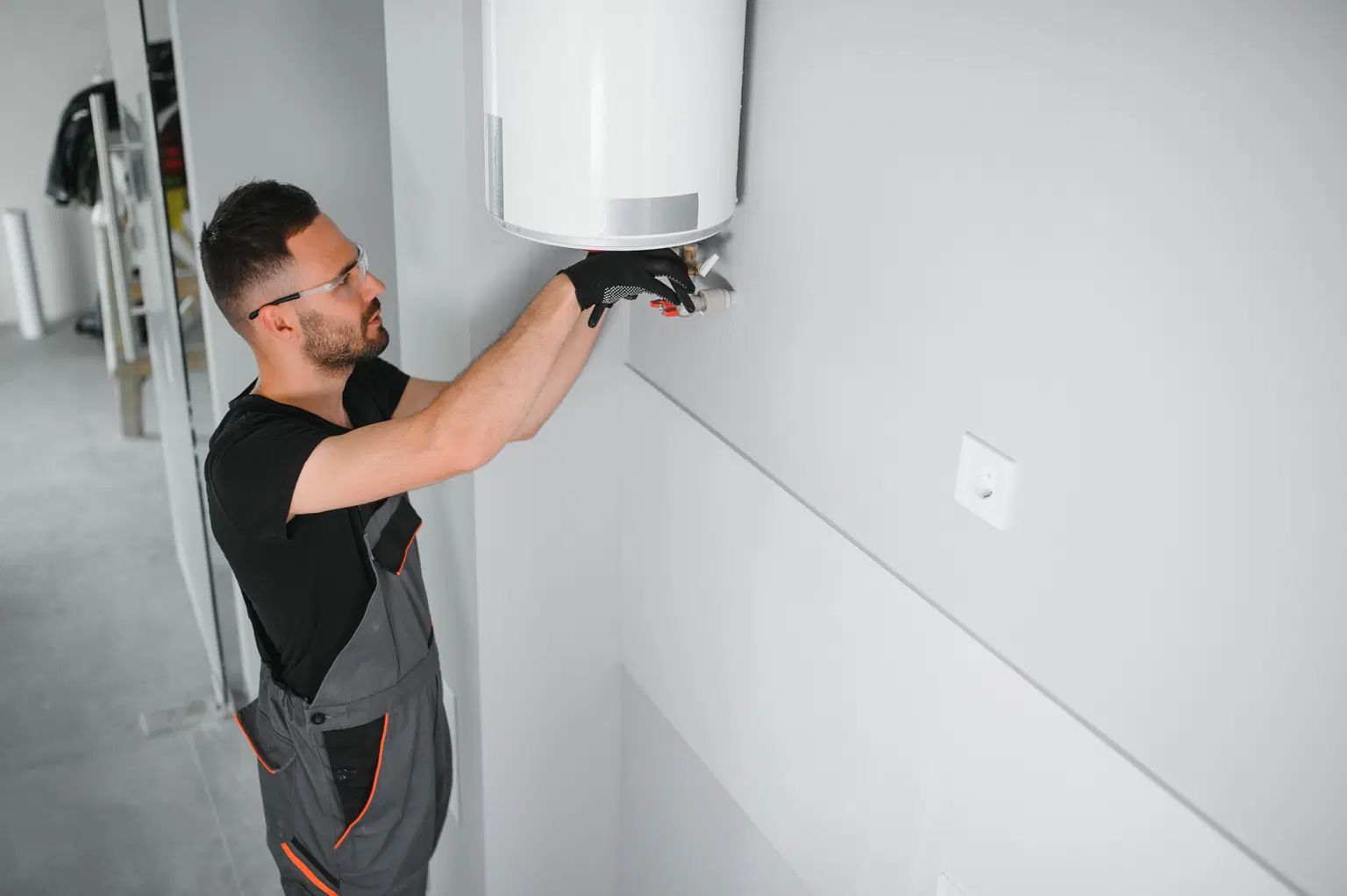
The Mechanics: How On-Demand Water Heating Works
To understand the true benefits of on demand water heating, it helps to know how the technology differs from what you might currently have installed. Traditional water heaters hold a large volume of water—usually between 40 to 60 gallons—and continuously heat it so it is ready when you turn on the tap. This constant heating and reheating process leads to what the industry calls standby heat loss. You are essentially paying to keep water hot while you sleep, while you are at work, or while you are away on vacation.
A tankless system operates on a completely different principle. When you open a hot water tap, cold water travels through a pipe into the unit. Either a gas burner or an electric element rapidly heats the water as it passes through. As a result, tankless water heaters deliver a constant, uninterrupted supply of hot water. You do not need to wait for a storage tank to fill up with enough hot water to resume your routine.
This shift in technology addresses several common pain points we hear from our customers, from high utility bills to the sheer frustration of running out of hot water when hosting guests. Furthermore, because these units do not store large volumes of water, the risk of a catastrophic burst pipe or a leaking tank causing severe water damage to your finished basement is virtually eliminated.
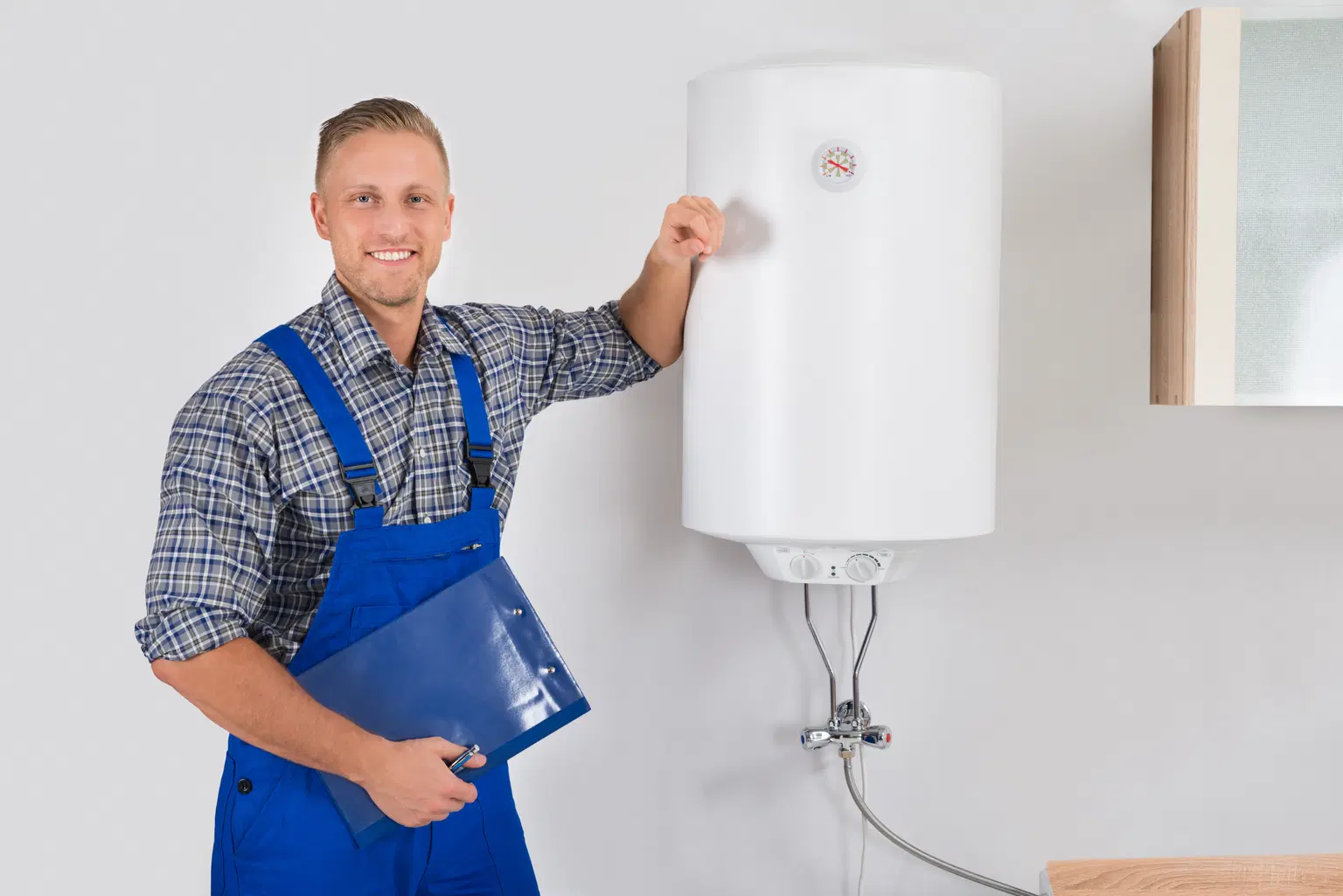
The Core Benefits of On-Demand Water Heating
When evaluating whether this upgrade makes sense for your household, you have to look beyond the initial purchase price. The benefits of on demand water heating touch on everything from monthly cash flow to the usable square footage of your property.
1. Unmatched Space Savings
Space is a highly valued commodity, particularly if you live in a condo in the 6ix or a historic home with a cramped utility closet. Traditional tanks are massive, often taking up a significant corner of a room. Tankless units, by contrast, are typically the size of a small suitcase and can be mounted directly on the wall. This frees up valuable square footage that can be repurposed for storage or living space.
2. Long-Term Energy Efficiency
One of the major industry trends we are seeing is a push toward eco-friendly and sustainable home operations. Because tankless systems avoid standby heat loss, they are significantly more energy-efficient. Depending on your household's daily water usage, upgrading can reduce your energy consumption considerably compared to standard tanks. Over time, these monthly savings on your utility bills help offset the initial cost of the plumbing installation.
3. Extended Lifespan and Reliability
Standard water heaters typically last between 10 to 15 years. Over time, minerals from the water build up inside the tank, leading to corrosion, reduced efficiency, and eventually, the need for a total replacement or emergency plumbing services to address a leak. Tankless water heaters have a much longer life expectancy, often lasting 20 years or more with proper maintenance. Their parts are also easier to replace individually, meaning you can often opt for a targeted leak repair or part swap rather than replacing the entire unit.
How to Choose Energy Efficient Water Heaters
If you have decided that the long-term savings and endless hot water are right for you, the next step is selecting the proper unit. Figuring out how to choose energy efficient water heaters requires looking at a few specific variables related to your home and daily habits.
First, consider the flow rate. Tankless heaters are rated by how many gallons of hot water they can produce per minute. If you regularly run the dishwasher, the washing machine, and a shower at the exact same time, you will need a unit with a higher flow rate, or potentially even multiple units, to meet that peak demand.
Second, you must decide between a gas or electric model. While electric models are often cheaper to purchase initially, gas-powered tankless heaters generally offer higher flow rates and can be more cost-effective to operate over the long run, depending on local utility rates.
Finally, proper sizing and installation are absolutely critical. A system that is incorrectly sized or poorly installed will not deliver the efficiency or performance you expect. This is why working with a licensed, insured professional is non-negotiable. Building codes, venting requirements, and gas line specifications are strict, and adherence ensures both safety and optimal performance.
Making the Switch with Confidence
Upgrading your home's water heating system is a fantastic way to modernize your property, lower your monthly energy bills, and enjoy the luxury of truly endless hot water. While the upfront investment is higher, the extended lifespan, reclaimed space, and daily comfort make it a highly worthwhile endeavor for most households.
At Seb Test 19, we pride ourselves on delivering transparent pricing, exceptional workmanship, and honest advice to our community. If you are ready to explore your options or need help evaluating your current setup, our technicians are here to help. We even offer our specialized test diagnostic evaluation to determine the exact sizing and specifications your home requires.
Whether you need immediate assistance or are planning a future upgrade, reach out to our team in Toronto today. Visit our Contact Us page to schedule a consultation, and let us help you find the perfect energy-efficient solution for your home.